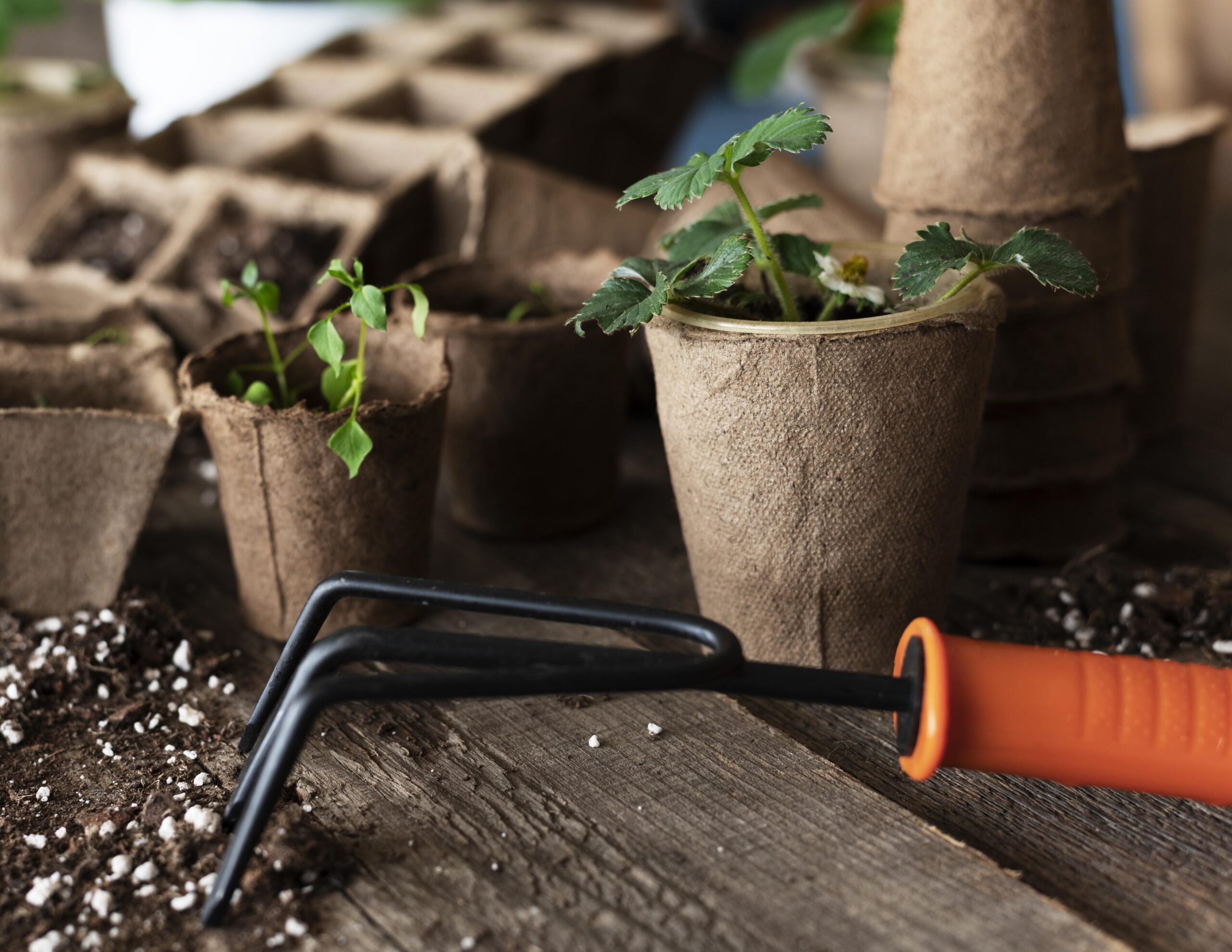

As environmental concerns intensify across the globe, the need for sustainable alternatives to plastic and other synthetic materials has never been more urgent. Plastic pollution, landfill overflow, and ecosystem damage are daily realities that demand thoughtful, planet-friendly solutions.
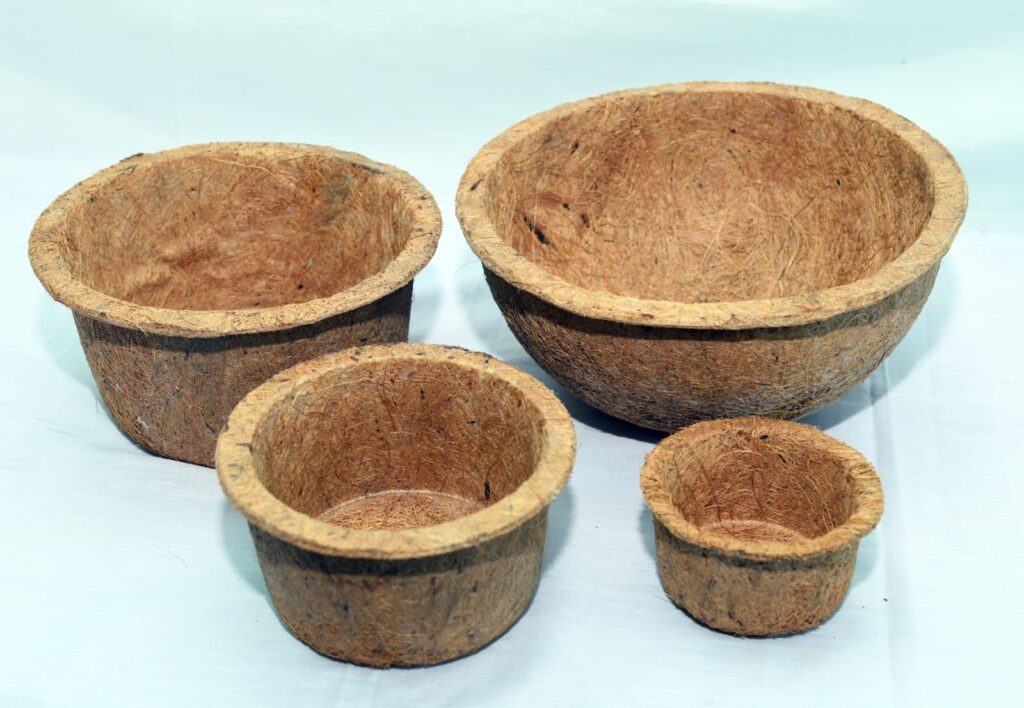
One such alternative gaining momentum is coir fibre—a natural material extracted from the outer husk of coconuts. Coir is biodegradable, renewable, and safe for both plants and the environment. Unlike synthetic materials that persist in landfills and leach toxins into the soil, coir gently returns to the earth, enriching it in the process. Sanjeevini Garden proudly supports this green shift by offering a wide range of coir-based products for sustainable gardening.
More than just a gardening aid, coir represents a sustainable lifestyle shift. In this blog, we’ll explore how coir fibre compares to synthetics and why choosing it can be a powerful eco-conscious decision—not just for your garden, but for the planet.
Before diving into the environmental benefits of coir, it’s important to understand what sets it apart from its synthetic counterparts.
Feature | Coir Fibre | Synthetic Materials |
Source | Natural (coconut husk) | Man-made (petrochemical-based) |
Biodegradability | Fully biodegradable | Non-biodegradable |
Production Impact | Low-energy, low-emission | High energy, toxic byproducts |
Soil Health | Enhances soil biology | May leach microplastics or toxins |
Choosing coir is more than a gardening choice—it’s an eco-conscious step. Try sustainable coir products from Sanjeevini Garden today!
Coir fibre isn’t just gentle on the earth—it actively contributes to its health and regeneration. Here’s why it’s a top-tier alternative to plastics:
In every lifecycle stage—from production to disposal—coir leaves a smaller, cleaner footprint.
While plastics and synthetic materials may seem convenient and cheap, they come with long-term ecological consequences that are hard to ignore. Sanjeevini Garden promotes natural coir alternatives that are safer for the planet and your plants.
What appears to be a small choice—like a plastic pot—can have generational impacts on the environment.
Coir products offer not just environmental benefits, but also functional perks for home gardeners:
With coir, gardening becomes an act of regeneration—for both your plants and the planet.
In a world flooded with synthetic waste, every eco-conscious material choice matters. Coir fibre offers a simple yet powerful way to reduce our environmental impact—by being biodegradable, renewable, and safe for the earth.
Switching to coir in your gardening and daily life is more than a green trend—it’s a sustainable shift toward protecting natural ecosystems. Small changes, like replacing plastic pots with coir alternatives from Sanjeevini Garden, can collectively make a big difference.
Choose coir. Nurture your garden. Heal the earth.
Is coir fibre more expensive than synthetic materials?
Slightly, in some cases—but the long-term environmental and soil health benefits far outweigh the cost.
Can coir products be reused?
Yes. Many coir pots, mats, and liners can be reused multiple times before composting.
Are coir materials durable?
Absolutely. Coir is strong, moisture-resistant, and resilient—perfect for gardening use.
Where can I buy authentic coir fibre products?
Check eco-friendly shops, garden centers, or buy directly from trusted local suppliers like Sanjeevini Garden for quality, sustainable coir solutions.
Is coir safe for organic gardening?
Yes! Coir is free from chemicals and promotes healthy, organic soil conditions.
+91-7019960850
sanjeevinigarden@gmail.com
Sanjeevini Garden Products, KAN-4-36/2, Coastal Farms (formerly chicken) road, Padil-Kannuru, Mangaluru 575007
Copyright © All Right Reserved